
Project Overview
As organisations in Singapore continue to prioritise employee wellbeing, Indoor Air Quality (IAQ) monitoring, including smart iaq monitoring, has become a critical component of workplace health and smart building management.
Implementing smart iaq monitoring can significantly enhance the overall air quality in the workplace. Smart iaq monitoring facilitates better decision-making for maintaining a healthy workspace. The advantages of smart iaq monitoring extend beyond compliance to proactive health management. Moreover, smart iaq monitoring helps in tracking the effectiveness of ventilation systems.
GMM Technoworld successfully implemented an advanced Indoor Air Quality Monitoring System at a major administration building located on Jurong Island, Singapore. The project demonstrates how continuous IAQ monitoring can support workplace wellness, operational excellence, and sustainability goals.
With smart iaq monitoring, organizations can better adapt to changing environmental factors. Utilizing smart iaq monitoring can significantly improve employee morale and productivity. This innovative approach to smart iaq monitoring ensures that environmental standards meet health and safety regulations.
By deploying commercial-grade IAQ sensors, the facility management team gained real-time visibility into indoor environmental conditions, enabling proactive actions to maintain a healthy and productive workplace. Smart iaq monitoring offers insights that can lead to enhanced workplace designs.
Customer Challenge
The administration building serves a large workforce operating within one of Singapore’s most important industrial zones. Although the building was equipped with conventional HVAC systems, facility managers faced several challenges: Effective smart iaq monitoring can also contribute to reduced energy consumption. By implementing smart iaq monitoring, facilities can ensure compliance with health standards.
Another benefit of smart iaq monitoring is its ability to provide historical data analysis.
- Limited visibility into actual indoor air quality conditions
- Difficulty identifying air quality fluctuations during peak occupancy
- Need to support employee health and comfort
- Growing demand for ESG and sustainability reporting
- Requirements for healthier workplaces aligned with green building initiatives
Without continuous monitoring, issues such as elevated carbon dioxide (CO₂), particulate matter (PM2.5), and volatile organic compounds (TVOCs) could impact occupant wellbeing and workplace productivity.
The IAQ Monitoring Solution
GMM Technoworld recommended a cloud-connected Indoor Air Quality Monitoring System capable of providing real-time environmental intelligence.
The system continuously monitors key IAQ parameters:
Air Quality Parameters Monitored
- PM2.5
- PM10
- Carbon Dioxide (CO₂)
- Total Volatile Organic Compounds (TVOC)
- Temperature
- Relative Humidity
The monitoring devices are connected to a cloud dashboard, allowing facility managers to access live and historical air quality data anytime.
Key Features
Smart iaq monitoring empowers employees to take charge of their health and work environment.
- Real-time IAQ monitoring
- Cloud-based analytics dashboard
- Automated alerts and notifications
- Historical trend reporting
- Smart building integration
- Multi-location monitoring capability
- ESG and sustainability reporting support
Our Solution: 24 Units of Ubibot AQS1 Precision
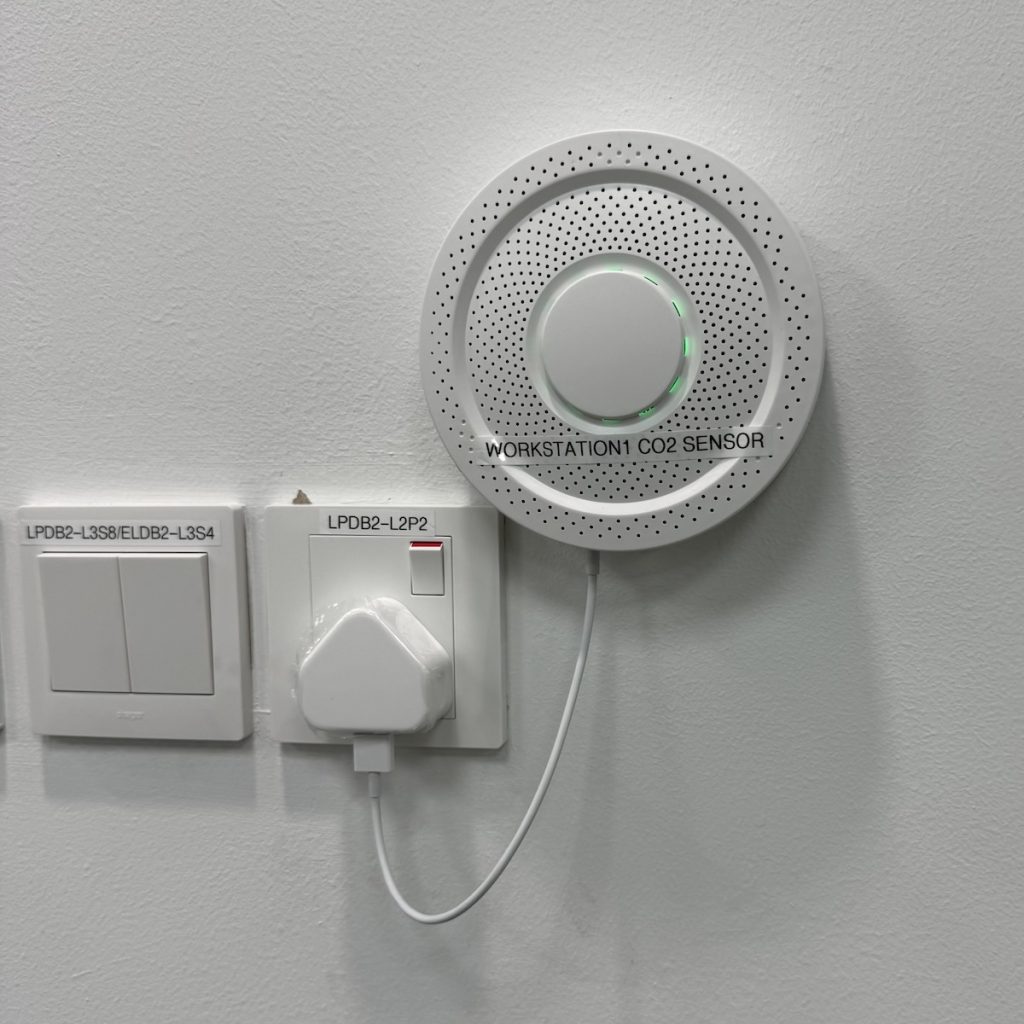
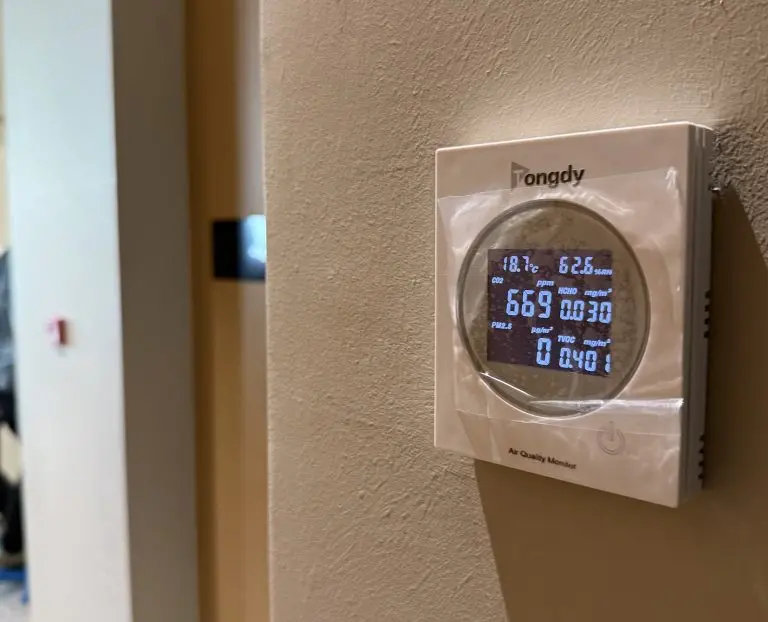
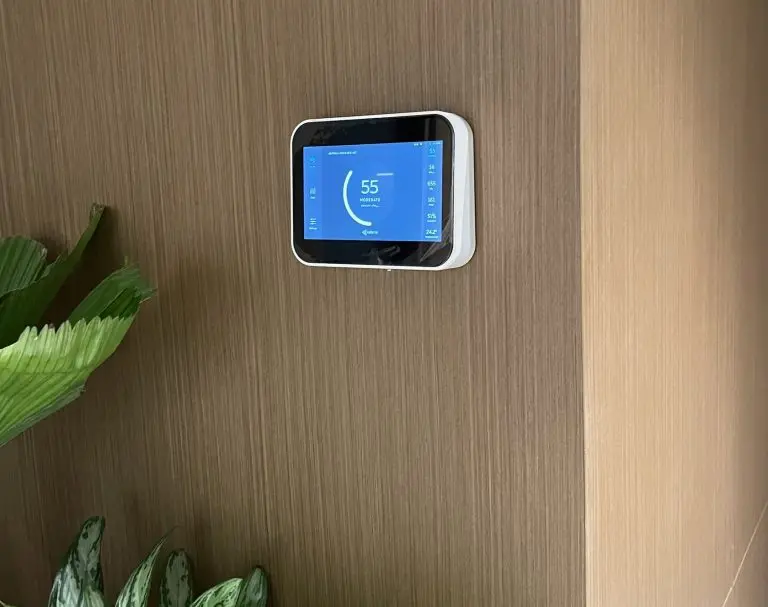
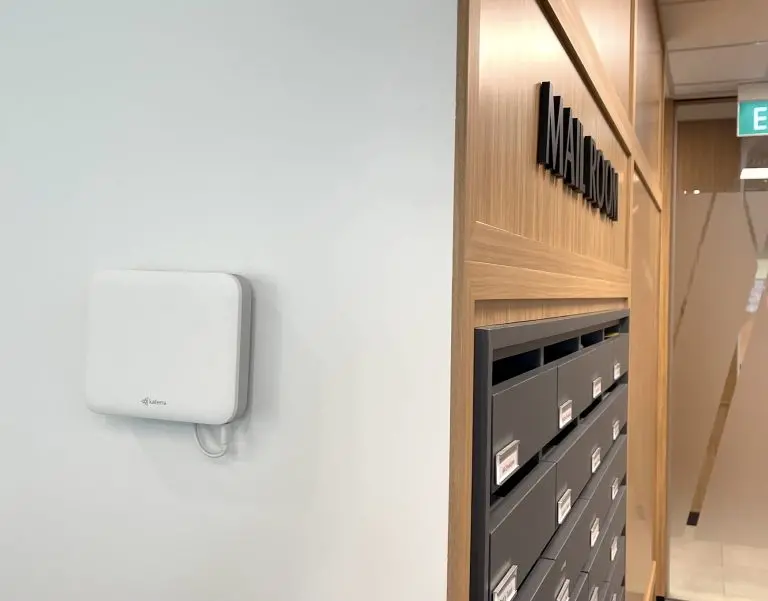
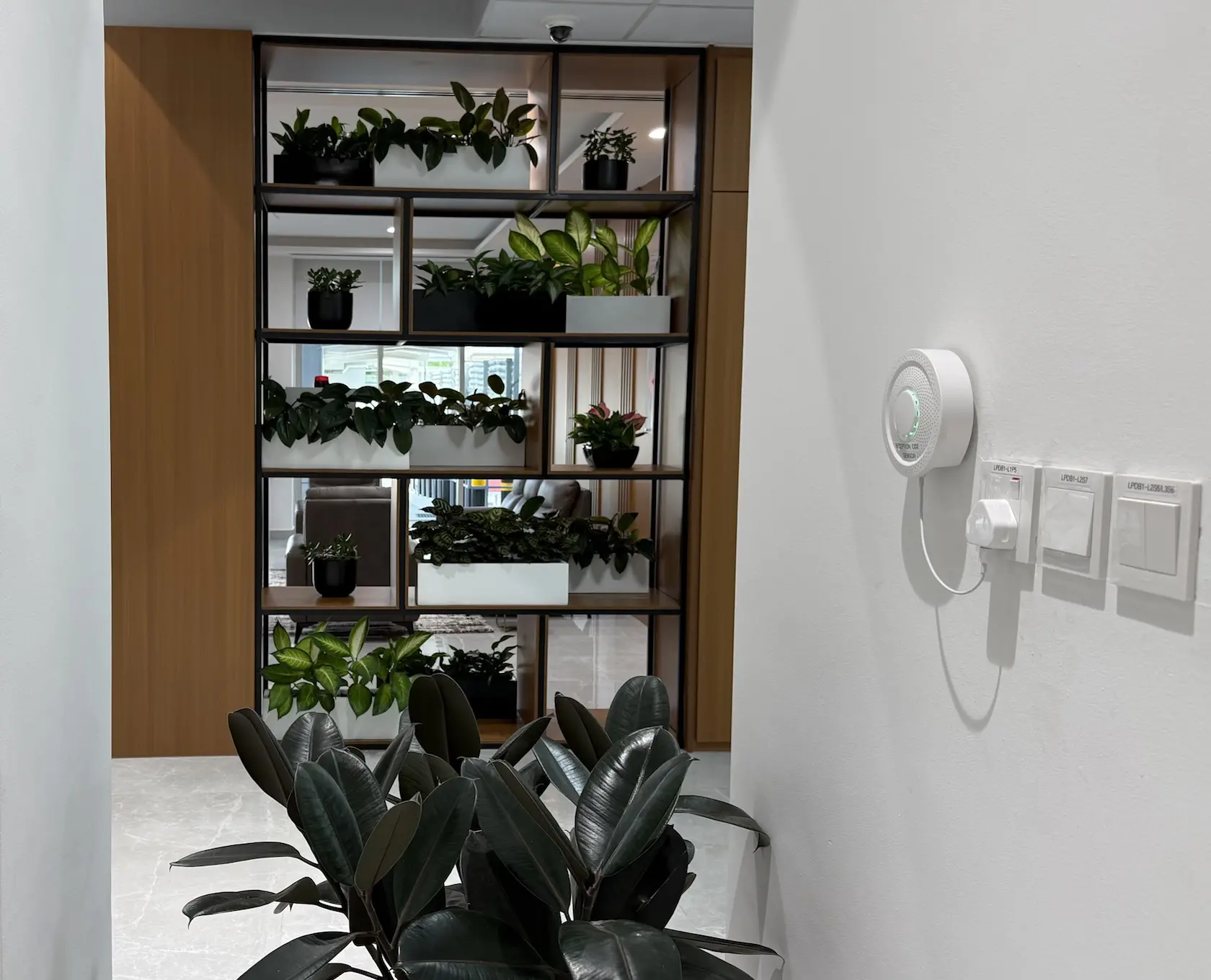
To provide total visibility across the two-storey facility, we installed and commissioned 24 units of Ubibot AQS1 Indoor Air Quality monitors. These industrial-grade devices were strategically placed to cover high-traffic zones, open-plan offices, and meeting rooms.
The Ubibot AQS1 is a powerhouse of environmental data, tracking critical metrics including:
- Particulate Matter (PM2.5 & PM10)
- Total Volatile Organic Compounds (TVOCs)
- Carbon Dioxide (CO2)
- Temperature and Humidity
Why IAQ Monitoring Matters in Singapore Offices
Studies consistently show that indoor air quality has a direct impact on employee health, cognitive performance, and workplace productivity.
Poor indoor air quality can contribute to:
- Headaches
- Fatigue
- Reduced concentration
- Respiratory irritation
- Increased absenteeism
By implementing a smart IAQ monitoring system, building owners can identify potential air quality issues early and optimise ventilation strategies before occupant comfort is affected. Research and industry studies also indicate that improved indoor air quality can enhance employee productivity and workplace satisfaction.
Results and Benefits Achieved
Following deployment, the administration building gained continuous visibility into its indoor environment.
Improved Workplace Wellness
Real-time monitoring helps maintain healthy indoor conditions that support employee wellbeing and comfort.
Data-Driven Facility Management
Facility teams can quickly identify abnormal IAQ conditions and implement corrective actions before they affect occupants.
Enhanced ESG and Sustainability Reporting
The collected IAQ data supports environmental reporting initiatives and demonstrates commitment to healthier workplaces.
Smart Building Readiness
The system provides a scalable foundation for future smart building and digital transformation initiatives.
Support for Green Building Certifications
Continuous IAQ monitoring can assist organisations pursuing healthy building standards such as:
- WELL Building Standard
- RESET Air Standard
- LEED Certification
- BCA Green Mark
Why Organisations Choose GMM Technoworld
As a leading IAQ monitoring system supplier in Singapore, GMM Technoworld provides:
- IAQ site assessment
- Sensor selection and deployment
- Cloud dashboard configuration
- System integration
- Data analytics and reporting
- Ongoing technical support
Our solutions are deployed across:
- Commercial offices
- Industrial facilities
- Educational institutions
- Healthcare environments
- Government buildings
- Smart buildings
Recommended IAQ Monitoring Solution
For this project, GMM Technoworld deployed commercial-grade air quality monitoring technology designed for continuous operation in demanding workplace environments.
The system provides accurate measurements of:
- PM2.5
- PM10
- CO₂
- TVOC
- Temperature
- Humidity
Combined with cloud-based analytics, organisations gain actionable insights to improve indoor environmental quality and occupant wellbeing.
Conclusion
The successful implementation of the Indoor Air Quality Monitoring System at the Jurong Island Administration Building highlights the growing importance of workplace air quality management in Singapore.
As organisations focus on employee wellness, ESG performance, and smart building initiatives, IAQ monitoring has evolved from a compliance requirement into a strategic investment.
By partnering with GMM Technoworld, organisations can create healthier indoor environments, improve occupant satisfaction, and gain the actionable data needed to support sustainable building operations.
Frequently Asked Questions (FAQ)
What is an IAQ monitoring system?
An IAQ (Indoor Air Quality) monitoring system is a technology used to measure and analyze the quality of air within indoor environments. It typically monitors various parameters such as temperature, humidity, carbon dioxide levels, volatile organic compounds (VOCs), and particulate matter to ensure a healthy and comfortable indoor atmosphere.
Why is IAQ monitoring important in Singapore offices?
IAQ monitoring is important in Singapore offices to ensure employee health and productivity, comply with regulations, enhance indoor air quality, reduce absenteeism, and improve overall workplace satisfaction.
What pollutants should be monitored indoors?
Nitrogen dioxide (NO2), carbon monoxide (CO), particulate matter (PM), volatile organic compounds (VOCs), formaldehyde, mold, radon, and carbon dioxide (CO2).
How does IAQ affect employee productivity?
Indoor Air Quality (IAQ) significantly impacts employee productivity by influencing health, comfort, and cognitive function. Poor IAQ can lead to increased absenteeism, decreased concentration, and lower overall job satisfaction, resulting in a decline in productivity levels. Improving IAQ through ventilation, air purification, and controlling pollutants can enhance employee performance and well-being.
Can IAQ monitoring support WELL Certification?
Yes, IAQ monitoring can support WELL Certification by ensuring indoor air quality meets the standards set by the WELL Building Standard.
Looking for an IAQ Monitoring System in Singapore?
Ultimately, smart iaq monitoring plays a crucial role in fostering a culture of health.
Contact GMM Technoworld Pte Ltd for a consultation and discover how our smart Indoor Air Quality Monitoring Solutions can help improve workplace health, productivity, and sustainability.
For long-term success, smart iaq monitoring should be integrated into facility management plans.
Organizations that prioritize smart iaq monitoring will see tangible benefits in employee wellness.
The future of workplace health relies heavily on smart iaq monitoring technologies.
When looking for solutions, smart iaq monitoring should always be a top consideration. Choosing smart iaq monitoring demonstrates a commitment to employee health and safety. The integration of smart iaq monitoring can redefine indoor environmental quality management. Investing in smart iaq monitoring pays off with healthier occupants and improved morale. Smart iaq monitoring should be considered a fundamental aspect of corporate responsibility. Smart iaq monitoring can also lead to improved brand reputation in the long run. To maximize the benefits, engage employees in the smart iaq monitoring process. Overall, smart iaq monitoring enhances the workplace experience significantly. Smart iaq monitoring is essential for future-proofing workplace environments.